にし阿波 ~剣山・吉野川観光圏

  • About Nishi-Awa
  • Activity Reservation
  • Tourism Topics
    • Nishi-Awa Contents
    • Accomodations
    • Recommended Courses
    • Pamphlets ・ Videos
  • A Thousand Years, a hidden hamlet Brand
  • News
  • Columns
  • Access
Search
Language
JP
TW
開く 閉じる
Search
Language
JP
TW
  • About Nishi-Awa
  • Activity Reservation
  • Tourism Topics
    Nishi-Awa Contents
    Accomodations
    Recommended Courses
    Pamphlets ・ Videos
  • Thousand Years of Hide-and-Seek Brand
  • News
  • Columns
  • Access

Nishi-Awa Contents

  1. TOP
  2. Nishi-Awa Contents
Category 1
Category 2
Area
Seasons

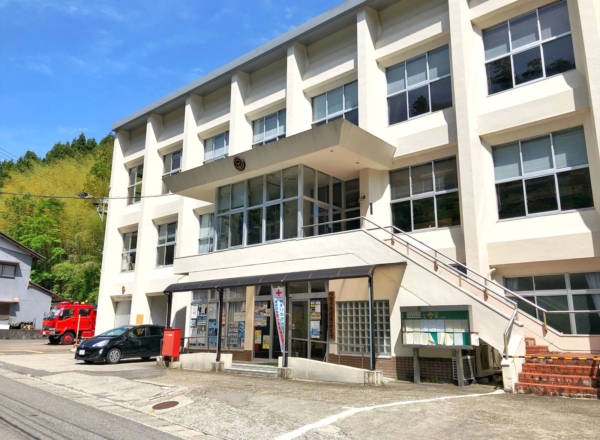
Tsurugi Town Hall Ichiu Branch

There is a clean public restroom available here. The Mt. Tsurugi trailhead is about 27 km from this point, making it a convenient stop for a restroom break.

Sightseeing Spots
Other
Spring
Summer
Autumn
Winter
Tsurugi Town
Mt. Tsurugi & Oku-Iya Area

Honrakuji Temple: 88 Temple Pilgrimage & Matcha Experience

Honrakuji Temple, selected as one of the 88 scenic spots in Shikoku, features Japanese gardens and landscaping with the majestic Yoshino River and the Asan Mountains in the background. The mossy garden also has a tea ceremony room where you can enjoy matcha tea. A sutra copying experience is also available.

Sightseeing Spots
Activities
Nature
History & Culture
Spring
Summer
Autumn
Winter
Mima City

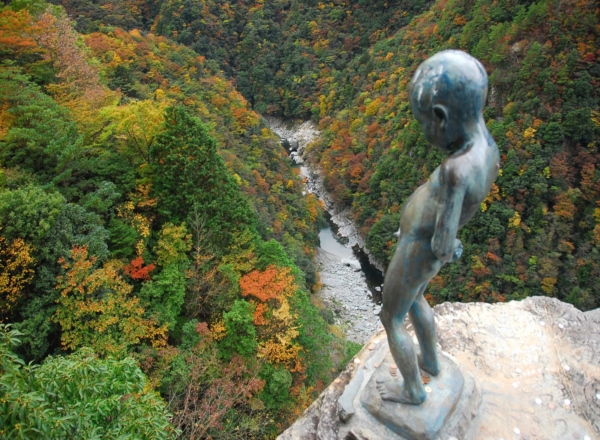
The Statue of a Peeing Boy

As a symbol of innocent courage, a statue of a peeing boy was constructed at the edge of the nearby precipice, the most perilous spot in Iya Valley. In the old days, it's said the local children would stand on this cliff and urinate into the ravine to show their bravado.

Sightseeing Spots
Nature
Spring
Summer
Autumn
Winter
Miyoshi City
Oboke Gorge & Iya Area

Oboke & Koboke Gorge

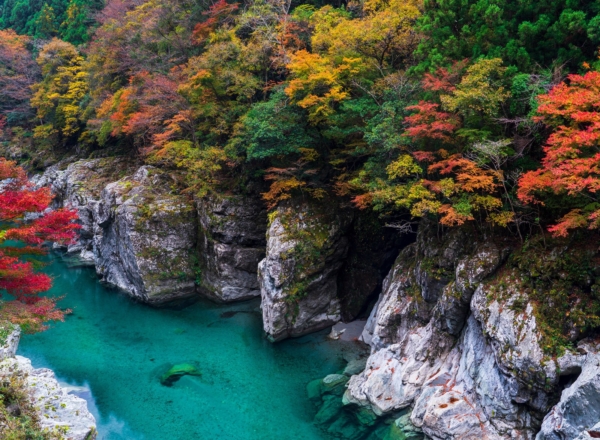
A unique and beautiful gorge, where the Yoshinogawa River flows emerald through the valley. Scenic views of the gorge's crystalline schist resemble marble sculptures, and the fresh green of the surrounding forests in summer, the fiery foliage in autumn, or winter's shimmering frosts, make for a spectacular sight in any season.

Sightseeing Spots
Nature
Spring
Summer
Autumn
Winter
Miyoshi City
Oboke Gorge & Iya Area

Kira no Edohigan (Cherry Tree)

This 400-year-old tree is the largest cherry tree in Tokushima. The trunk splits into three, so when the pink blossoms are in full bloom, its branches spreading wide are a beautiful sight.

Sightseeing Spots
Nature
Spring
Tsurugi Town
Mt. Tsurugi & Oku-Iya Area

Hashikura Temple & Ropeway

This historic Shingon Buddhist temple is said to have been founded by Kobo Daishi.
It serves as the inner sanctuary of Konpira Shrine and is designated as an extra (bangai) site of the Shikoku Pilgrimage.

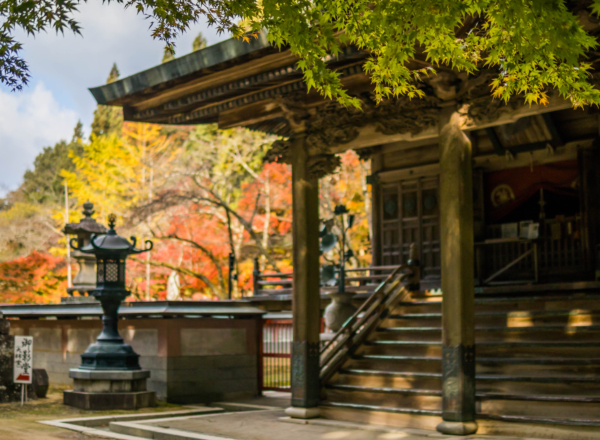
Take the ropeway up for a scenic view of Ikeda and the Yoshino River, then stroll through the temple grounds, enjoying the old architecture and intricate wooden carvings that adorn many of the buildings here. At the top of a rather hefty staircase, you can also find a mini 88 pilgrimage: statues all lined up and numbering all of the 88 Shikoku temples.

This temple popular for the beautiful maple fall colours in autumn and the cherry blossom trees in spring. Iconic Buddhist festivals are also held here twice a year, open to the public.

Sightseeing Spots
History & Culture
Spring
Summer
Autumn
Winter
Miyoshi City

Former Samurai Residence – The Kita Family & Hoko Cedar

Built in 1763 (about 250 years ago), this is one of the largest samurai residences in the Iya region. The Oe district of Higashi-Iya Village, where it stands, is historically connected to the defeated Heike clan who fled here after losing the Battle of Yashima.

The Kita Family was the head family of this Heike settlement, and their residence reflects the lifestyle of the upper-class samurai of Iya. In the garden stands the impressive Hoko Cedar, which is well worth seeing.

Sightseeing Spots
History & Culture
Spring
Summer
Autumn
Mt. Tsurugi & Oku-Iya Area
Miyoshi City

Chiiori

A 300-year-old traditional farmhouse.
The Oku-Iya area is often called the “Tibet of Japan,” known for its high elevation and steep, narrow valleys. Chiiori was purchased by Alex Kerr and named after his love of playing the flute. The name Chiiori means “House of the Flute.”

Sightseeing Spots
History & Culture
Spring
Summer
Autumn
Mt. Tsurugi & Oku-Iya Area
Miyoshi City

Anmitsukan

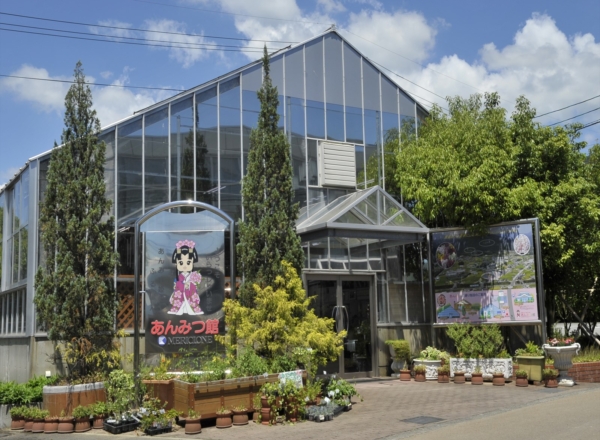
This showroom and sales space is open to the general public and dedicated to cymbidium orchids.
During the peak flowering season (late November to March), the space bursts into bloom with a dazzling display. Popular varieties such as the “Queen of Cymbidiums” Anmitsu Hime, the “King” Marie Laurencin, and Princess Masako fill the air with a gentle, sweet fragrance.

Sightseeing Spots
Nature
Spring
Summer
Autumn
Winter
Wakimachi Udatsu Townscape Area
Mima City

Yokai House and Stone Museum

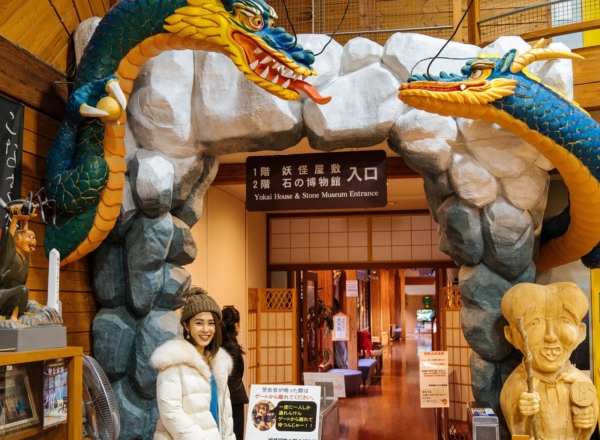
Located in the scenic area of Oboke, this facility combines a tourist information center, the Yokai House, and the Stone Museum.
The Stone Museum showcases rare stones from around the world. In addition to the museum, the facility also includes a tourist information corner, café, and souvenir shop.
In 2010, because the surrounding area is known as the birthplace of Konaki-jiji, a character from the famous yokai manga GeGeGe no Kitaro, a special “Yokai House” was added to the Stone Museum. Here, local folklore is introduced, and many handmade yokai dolls created by local residents are on display. Some exhibits also include explanations in English.

Sightseeing Spots
History & Culture
Spring
Summer
Autumn
Winter
Miyoshi City
Oboke Gorge & Iya Area

Sadamitsu Udatsu Street

The udatsu of Sadamitsu are based on Kyoto’s merchant street culture from the early Meiji period. These walls are called niso udatsu, and bear beautiful and artistic patterns on the front of each house.

Sightseeing Spots
History & Culture
Spring
Summer
Autumn
Winter
Mt. Tsurugi & Oku-Iya Area
Tsurugi Town

Wakimachi’s Udatsu Townscape

These ancient streets are lined with traditional-style homes featuring white udatsu barriers, specially designed to prevent the spread of fire between buildings. Such luxurious homes were a testament to the wealth and prosperity merchants enjoyed in Wakimachi during the indigo boom, and today, the buildings are protected and preserved to give visitors the feeling of strolling back in time.

Also lit up at night, the street offers a mysterious and beautiful atmosphere.

Sightseeing Spots
History & Culture
Spring
Summer
Autumn
Winter
Wakimachi Udatsu Townscape Area
Mima City
<23456>
にし阿波 ~剣山・吉野川観光圏
Instagram youtube

Nishi-Awa Tourism Association Sora-no-sato

995-1 Ikeda-cho Shima, Miyoshi-shi, Tokushima

TEL +81-883-76-0713 (Japanese only)

FAX +81-883-72-0753

Copyright © Nishi-Awa, Mt. Tsurugi and The Yoshino River Tourism Zone. All Rights Reserved.
  • HOME
  • About Nishi-Awa
  • Activity Reservation
  • About "About A Thousand Years, a hidden hamlet Brand."
  • News
  • Columns
  • Access
  • Tourism News
  • Nishi-Awa Contents
  • Accomodations
  • Recommended Courses
  • Pamphlets ・ Videos
  • Site policy
  • For Travel Agents